

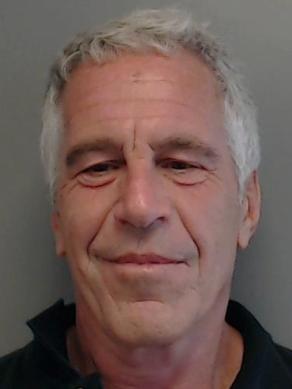
Yesterday I watched the 60 Minutes Australia exposé on the Jeffrey Epstein sex trafficking ring. To say I was disturbed is an understatement. He and his accomplices exploited the young and vulnerable, targeted girls with a history of trauma, and raped them. Thousands of them. That could have been me. The man is dead, and whether he killed himself or not is irrelevant. He could have killed himself, but could not have killed himself without help—so some powerful people clearly wanted him dead. The guilty are alive.
This got me thinking about the trend in recent years of powerful, influential people confessing Jesus as their Lord and saviour. This is not an accusation or implication against them, but people equally powerful and influential were either involved in Epstein’s trafficking ring, or witnesses to it. People on every end of the cultural and political spectrum, prepare to be disillusioned: some idols will be tarnished, and we better not make excuses for them. Assuming it is possible (which it is), how are we going to respond to the ones with true remorse?
First, let’s get one thing straight: They will still be subject to criminal justice. If they run from justice when it comes calling, they can please spare us their claim of repentance. As the Church we better not show favoritism to converts, like somehow because they are powerful and “on our side” as Christians, they should be exempt from trial. Heaven forbid the faith become a security blanket people use to hide from justice. That is called corruption. No—if anyone is found guilty, then they need to face the laws of the land. Period. If the law tries them and finds just cause to be lenient, so be it.
But let’s say they face the music, and ask to be forgiven as Christ forgave them. Will we forgive? As the Church, we must. Let the law charge them, lock them up if it’s appropriate—but forgive.
“Judge not, and you shall not be judged. Condemn not, and you shall not be condemned. Forgive, and you will be forgiven.” (Luke 6:37 NKJV) We think the gospel is offensive because there is a standard of morality, but no. This call to forgiveness is the single most offensive teaching of Jesus. Aren’t you offended? If I didn’t understand that God incarnate came and let Himself be sacrificed to make all forgiveness possible, I’d be livid. Jesus did come for us though, and out of pure love for all of humanity He paid this price. Can we deny anyone forgiveness? We don’t owe it to them, we owe it to Christ.
One of the scariest scriptures is John 20:22-23, where Jesus said to His disciples, “Receive the Holy Spirit. If you forgive the sins of any, they are forgiven them; if you retain the sins of any, they are retained.” I don’t pretend to understand, but taking it at face value I see a great and terrible responsibility for the Church to carry mercy well. Especially if sinners repent. After all, are they not the pawns of spiritual forces of evil? Forgiveness isn’t accepting or condoning their actions, but a posture of the heart. Forgiveness says, “I know exactly what you’ve done, and you owe me no suffering. I am not God, and I give God permission to judge you.” One step further is, “I choose mercy and I pray God chooses mercy (by transforming you).” This sets us apart. If you aren’t marked by radical forgiveness, and you’re a Christian, at the very least you’re missing out. At most, you have cause for concern. (Just in case it’s not clear, if this applies to extreme cases of evil, you better believe it applies to your social media rivalries.)
We’re all wounded, and honestly this topic is sickening. I myself am a recovered survivor of sexual abuse. When I first faced my demons, simply reading this blog would have sent me into a tailspin. I don’t shame or condemn anyone who isn’t ready to consider this, but I do want to prepare you. Jesus requires all believers to open our hearts to His grace and love, and that is the only way this level of forgiveness is possible. (Jesus does this in our hearts—never pressure a victim to forgive. Ever.) He also requires us to be just, and show no partiality. If we refuse either of these, we could find ourselves in rebellion against the Lord. We could also block ourselves from some of the most transcendent and healing responses a human is capable of: to act justly, to love mercy, and to walk humbly with our God.
. . .And on that note, “Let justice be done though the heavens fall.”
[NOTE: This was hard for me to write, and I’m open to feedback and brainstorming. I woke up wrestling with the subject, and that is why I chose to write this piece. I’m concerned about the wave of hate and bitterness that could sweep across the globe when this blows up. It’s our job to fight that hate.]
 dustymaytaylor.com